

Dealing with people who don’t respect your time or space at work can be exhausting. You don’t want to sound rude, but staying silent only adds to the frustration. If you’ve ever paused before responding, wondering how to tell someone to leave you alone professionally, you’re not alone.
This blog post is here to help you handle those moments with confidence and calm. You’ll learn practical, respectful ways to set boundaries without creating tension or awkwardness. By the end, you’ll have clear examples and strategies that make these conversations feel easier and more natural.
Tips for Telling Someone to Leave You Alone

- “Protecting your peace doesn’t require harsh words, just honest ones delivered with calmness.”
- “Clear boundaries aren’t rude; they’re a form of self-respect that keeps relationships healthy.”
- “You don’t have to explain everything, sometimes a simple, kind request for space is enough.”
- “Asking for distance is easier when you focus on what you need, not what someone did wrong.”
- “The calmer your tone, the stronger your message will land.”
- “Setting limits early prevents frustration from building into resentment later.”
- “It’s okay to choose silence when conversation drains your energy.”
- “Respectful communication works best when clarity comes before emotion.”
- “Your need for space is valid, even if others don’t fully understand it.”
- “Boundaries work when they’re expressed gently but held firmly.”
- “You can ask for alone time without damaging trust or connection.”
- “Knowing how to tell someone to leave you alone professionally helps you stay confident without creating unnecessary tension.”
- “Peace often begins with a simple sentence spoken at the right moment.”
- “When you stay composed, your request for space feels thoughtful rather than dismissive.”
- “You don’t owe constant availability to anyone, especially at the cost of your well-being.”
- “A respectful pause can be more powerful than continuing a draining conversation.”
- “Clear limits allow others to understand where you stand without guessing.”
- “Kindness and firmness can exist in the same sentence.”
- “Taking space isn’t avoidance, it’s choosing balance over burnout.”
- “When you communicate your boundaries with care, you protect both your peace and your professionalism.”
How To Tell Someone to Leave You Alone Professionally

- “Professional boundaries sound calm, clear, and focused on work not personal feelings.”
- “The most effective workplace limits are explained with clarity, not emotion.”
- “You don’t need to sound cold to sound professional, just intentional.”
- “Respectful distance at work protects both productivity and mutual respect.”
- “A professional response keeps the focus on tasks, timelines, and priorities.”
- “Clear communication prevents misunderstandings before they turn into conflict.”
- “Staying composed helps your message come across as confident, not confrontational.”
- “Professional boundaries work best when they’re stated early and calmly.”
- “It’s okay to redirect a conversation when it interrupts your focus or workflow.”
- “Workplace communication should always support clarity, not emotional tension.”
- “When you stay neutral in tone, your request for space feels reasonable.”
- “Knowing how to tell someone to leave you alone professionally allows you to protect your time without harming workplace relationships.”
- “Professionalism means addressing the issue without assigning blame.”
- “A calm, direct response often earns more respect than a long explanation.”
- “You can be firm at work without being dismissive or harsh.”
- “Setting boundaries at work shows self-awareness, not weakness.”
- “Professional distance creates room for collaboration, not conflict.”
- “When your words stay work-focused, emotions don’t take over the conversation.”
- “Clear limits help others understand how to engage with you appropriately.”
- “Professional communication values efficiency, respect, and emotional control.”
How To Respectfully Tell Someone to Leave You Alone Without Being Rude

- “Respectful boundaries begin with kind words and a steady tone.”
- “You can ask for space without making the other person feel rejected.”
- “Politeness doesn’t weaken your message, it strengthens it.”
- “A gentle explanation often prevents hurt feelings and misunderstandings.”
- “Choosing calm language helps your request feel thoughtful, not personal.”
- “Respect is shown not just in what you say, but how you say it.”
- “Soft words can carry firm boundaries when spoken with clarity.”
- “You don’t have to sound upset to be taken seriously.”
- “Asking for space becomes easier when you focus on your needs, not their behavior.”
- “Kind communication keeps your boundaries clear and your tone human.”
- “Respectful distance allows both people to save face.”
- “Learning how to tell someone to leave you alone professionally also teaches you how to stay polite without feeling guilty.”
- “You can be honest and considerate at the same time.”
- “A calm pause is often more respectful than a rushed response.”
- “When you stay courteous, your message feels safe to hear.”
- “Being polite doesn’t mean ignoring your own comfort.”
- “Clear boundaries delivered kindly are less likely to cause offense.”
- “You can protect your peace without creating awkwardness.”
- “Respectful communication leaves no room for resentment.”
- “When your words are thoughtful, your request for space feels reasonable.”
Clever Ways to Indirectly Say Leave Me Alone
- “Sometimes the clearest boundary is a gentle shift in focus, not a direct statement.”
- “Indirect signals work best when they’re calm and consistent.”
- “Changing the subject can quietly communicate the need for space.”
- “Not every boundary needs an explanation to be understood.”
- “Subtle distance often speaks louder than firm words.”
- “Redirecting your attention can send a respectful message without confrontation.”
- “Silence, when used thoughtfully, can protect your peace.”
- “Indirect communication allows you to step back without creating tension.”
- “A polite delay can naturally create space when needed.”
- “Your actions can express boundaries just as clearly as words.”
- “Gentle disengagement keeps interactions professional and neutral.”
- “Understanding how to tell someone to leave you alone professionally also includes knowing when indirect signals are enough.”
- “Calm detachment can communicate limits without discomfort.”
- “Less explanation often reduces emotional pressure.”
- “Indirect boundaries give others room to adjust gracefully.”
- “Subtle cues help maintain harmony while protecting your time.”
- “Distance doesn’t have to be announced to be respected.”
- “Soft exits are sometimes the most effective form of communication.”
- “Indirect signals work best when they remain consistent over time.”
- “Quiet boundaries allow you to step away without closing doors.”
Blunt / Direct Ways to Ask Someone to Leave You Alone
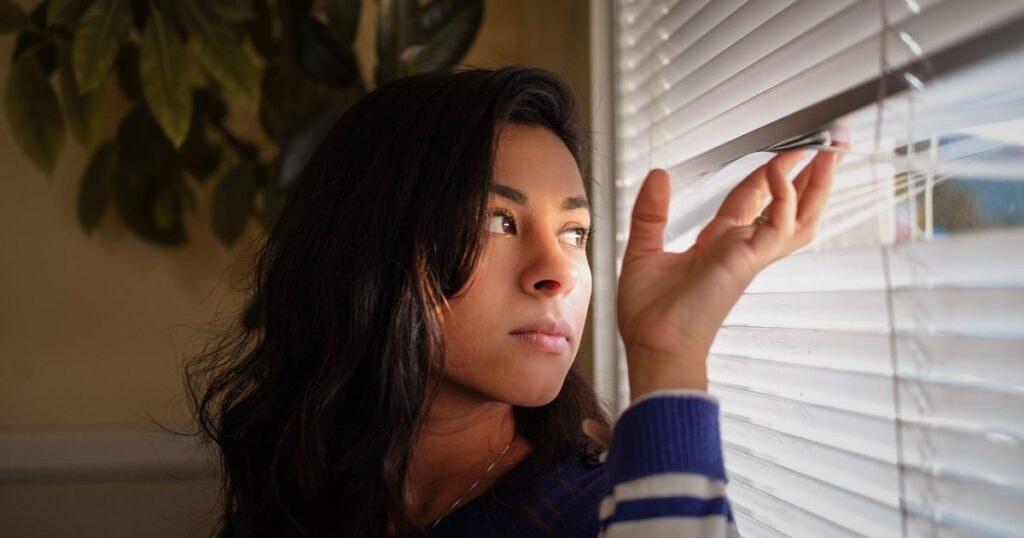
- “Clarity is respectful when it’s delivered without hostility.”
- “Being direct saves time for everyone involved.”
- “A clear boundary removes the need for repeated conversations.”
- “Sometimes the kindest thing you can do is be honest.”
- “Direct communication prevents misunderstandings from growing.”
- “You don’t owe lengthy explanations for simple boundaries.”
- “Firm words can still be professional when spoken calmly.”
- “Being blunt doesn’t mean being rude, it means being clear.”
- “Stating your limit once is better than hinting repeatedly.”
- “Clear expectations help others adjust their behavior.”
- “Direct language keeps emotions from muddying the message.”
- “Learning how to tell someone to leave you alone professionally means choosing honesty over avoidance.”
- “A respectful ‘no’ is a complete sentence.”
- “Setting boundaries early prevents future frustration.”
- “Direct communication shows confidence, not aggression.”
- “Calm firmness earns more respect than passive silence.”
- “You can be straightforward without burning bridges.”
- “Clear boundaries protect both your time and energy.”
- “Speaking plainly avoids unnecessary tension later.”
- “Directness works best when paired with a steady tone.”
Rude Ways to Tell Someone to Go Away and Leave You Alone
- “Not every boundary needs to sound polite to be valid.”
- “When patience runs out, blunt honesty takes over.”
- “Rudeness is often exhaustion speaking without filters.”
- “Being ignored repeatedly turns politeness into frustration.”
- “Some people only hear you when you stop softening the message.”
- “A harsh tone is sometimes the result of crossed limits.”
- “When respect is missing, courtesy feels optional.”
- “Rude words usually come after quiet requests were ignored.”
- “There’s a difference between cruelty and raw honesty.”
- “Frustration doesn’t ask permission before speaking.”
- “When boundaries are pushed, reactions get sharper.”
- “Even people who know how to tell someone to leave you alone professionally can lose patience.”
- “Repeated intrusion turns calm into confrontation.”
- “Rudeness often shows how far someone has been pushed.”
- “Sometimes silence fails, and bluntness takes its place.”
- “Not all messages are wrapped in kindness, some are wrapped in limits.”
- “When someone won’t listen, the tone naturally hardens.”
- “Rude responses are usually built on unmet respect.”
- “Being harsh isn’t always intentional, it’s defensive.”
- “Strong reactions reveal how important personal space truly is.”
How To Say Leave Me Alone Without Saying It

- “Distance can speak when words feel too heavy.”
- “Silence is sometimes the clearest boundary.”
- “Changing your energy often changes the conversation.”
- “Stepping back is a message, even without explanation.”
- “Not every boundary needs to be spoken out loud.”
- “Your body language can say what your mouth won’t.”
- “Reduced availability sends a clear signal.”
- “Pausing replies creates space without confrontation.”
- “Less engagement often leads to more peace.”
- “Sometimes pulling away is the kindest choice.”
- “Quiet boundaries protect your mental space.”
- “Understanding how to tell someone to leave you alone professionally also means knowing when not to say it directly.”
- “A calm withdrawal avoids unnecessary conflict.”
- “Distance can preserve respect when words might damage it.”
- “Energy shifts communicate more than explanations.”
- “Choosing disengagement is a form of self-respect.”
- “Subtle signals work best with emotionally aware people.”
- “You don’t need permission to create space.”
- “Letting conversations fade is sometimes intentional.”
- “Silence, used wisely, can be powerful.”
How To Tell Someone to Leave You Alone Over Text
- “Short messages create clear boundaries without sounding cold.”
- “Text is best used for clarity, not long explanations.”
- “A simple response can prevent a drawn-out conversation.”
- “Less wording often leads to less pushback.”
- “Tone matters, even when it’s typed.”
- “Delayed replies can gently signal the need for space.”
- “You don’t have to respond immediately to protect your peace.”
- “Clear texts avoid emotional misinterpretation.”
- “Using polite language keeps messages professional.”
- “A calm text sets expectations without escalating tension.”
- “You can be firm without sounding harsh.”
- “Knowing how to tell someone to leave you alone professionally helps keep text boundaries intact.”
- “Ending the message clearly prevents follow-up pressure.”
- “Neutral wording keeps emotions out of the exchange.”
- “Text allows you to choose your words carefully.”
- “Direct messages reduce awkward back-and-forth.”
- “Clear texting protects both time and energy.”
- “You’re allowed to mute conversations that drain you.”
- “Respectful distance works well in written form.”
- “A composed message speaks louder than repeated replies.”
What To Say to Someone Who Won’t Leave You Alone

- “Repeating a boundary calmly shows you’re serious.”
- “Consistency matters more than the perfect wording.”
- “You don’t need new reasons to restate the same limit.”
- “Firm repetition protects your time and energy.”
- “Boundaries lose power only when you stop enforcing them.”
- “Staying calm keeps the focus on behavior, not emotion.”
- “You’re allowed to end conversations that go in circles.”
- “Clear limits reduce ongoing tension.”
- “You can acknowledge them without engaging further.”
- “Not responding is sometimes the strongest response.”
- “Respect is learned when boundaries are maintained.”
- “Knowing how to tell someone to leave you alone professionally helps when politeness alone fails.”
- “You don’t have to match their persistence.”
- “A steady tone communicates authority.”
- “Boundaries aren’t negotiations, they’re decisions.”
- “Ending the conversation is part of self-respect.”
- “Silence can reinforce what words have already explained.”
- “Your comfort doesn’t require their approval.”
- “Distance becomes necessary when requests are ignored.”
- “Protecting your space is not unkind, it’s necessary.”
How To Tell Someone to Leave You Alone Without Hurting Their Feelings
- “Kindness doesn’t disappear just because you need space.”
- “You can be gentle and still be clear.”
- “Honest boundaries prevent deeper hurt later.”
- “A calm tone softens even firm words.”
- “Respect grows when limits are communicated early.”
- “You don’t have to justify your need for distance.”
- “Choosing your words carefully shows emotional maturity.”
- “Protecting your peace doesn’t mean rejecting the person.”
- “Clarity reduces misunderstandings and resentment.”
- “You can acknowledge their feelings without ignoring your own.”
- “Boundaries expressed with empathy land better.”
- “Learning how to tell someone to leave you alone professionally helps you stay kind without losing yourself.”
- “A brief explanation is often enough.”
- “Saying less can feel more respectful.”
- “Gentle honesty builds long-term trust.”
- “You’re allowed to pause a connection without ending it.”
- “Kind words don’t require continued access.”
- “Emotional awareness makes difficult messages easier to receive.”
- “Distance can be temporary and still be necessary.”
- “Respectful limits protect both sides.”
Playful / Funny Ways to Say Leave Me Alone

- “I’m currently in low-battery mode.”
- “My social energy has officially clocked out.”
- “This conversation has reached its daily limit.”
- “I’m on airplane mode emotionally.”
- “Let’s press pause before my brain crashes.”
- “I’m buffering right now.”
- “Today’s schedule includes silence.”
- “I’ve used up all my words for the day.”
- “My peace is called, it needs attention.”
- “I’m practicing selective conversation.”
- “I’d love to continue, just not today.”
- “This is me choosing calm over chaos.”
- “I’ve entered my quiet era.”
- “I’m on a temporary people detox.”
- “My focus is on do-not-disturb mode.”
- “I’m prioritizing sanity over small talk.”
- “This is a gentle timeout, not a breakup.”
- “I need a rain check with my thoughts.”
- “I’m saving my energy for later.”
- “My inner introvert needs the floor.”
- “I’m scheduling a meeting with silence.”
- “Let’s revisit this after my mental coffee.”
- “I’m practicing boundaries with a smile.”
- “I’ve reached my social quota.”
- “Today is sponsored by personal space.”
- “I’m choosing humor over snapping.”
- “This is how to tell someone to leave you alone professionally, just with a wink.”
- “I need a break before I say something unfiltered.”
- “My patience is loading… slowly.”
- “Consider this a playful exit cue.”
Other Ways to Say Leave Me Alone
- “I need some uninterrupted time right now.”
- “I’m stepping back to regain focus.”
- “I’m not available for conversation at the moment.”
- “I need a bit of space to think clearly.”
- “I’m taking a short mental break.”
- “I’m prioritizing quiet time today.”
- “I’m choosing to disconnect for a while.”
- “I’m focusing on something important right now.”
- “I need distance to reset my energy.”
- “I’m protecting my mental space.”
- “I’m pausing conversations for now.”
- “This is how to tell someone to leave you alone professionally without creating tension.”
- “I need to step away to stay productive.”
- “I’m not in the right headspace to talk.”
- “I’m creating space to stay balanced.”
- “I’m unavailable but will reconnect later.”
- “I need time to recharge.”
- “I’m choosing clarity over conversation.”
- “I’m limiting interactions for focus.”
- “I’m setting boundaries to protect my peace.”
Mention That You’re Mentally Checked Out

- “I’m mentally checked out right now and need some time to regroup.”
- “I’m taking a mental pause, so I can return with focus later.”
- “My brain is tapped out, let’s reconnect when I’m clearer.”
- “I’m mentally offline for a bit to recharge my energy.”
- “Right now, I need to step back and give my mind a break.”
- “I’m taking a mental timeout to regain clarity.”
- “I need a quiet moment to reset mentally.”
- “I’m focusing inward for now, so I may be quiet.”
- “I’m mentally checked out and will respond when I can give full attention.”
- “I need a mental break before I can engage fully.”
- “Right now, I’m prioritizing mental space over conversation.”
- “I’m taking a mental step back to protect my peace.”
- “I’m temporarily checked out to avoid feeling overwhelmed.”
- “I need to mentally unplug for a short while.”
- “I’m giving myself a mental breather before continuing.”
- “I’m taking a pause to regain mental focus and energy.”
- “My mind is drained, so I’ll need a break from talking.”
- “I’m stepping away to recharge mentally and emotionally.”
- “I’m mentally offline at the moment to stay balanced.”
- “This is a simple way to show how to tell someone to leave you alone professionally while protecting your mental space.”
Say You Need to Focus

- “I need to focus right now, so let’s pause our conversation.”
- “I’m concentrating on a task and can’t be distracted.”
- “I need some uninterrupted time to give this my full attention.”
- “I’m focusing at the moment, so I’ll catch up later.”
- “Please excuse me, I need to stay focused to finish this.”
- “I’m in the middle of something important and need quiet time.”
- “I need to concentrate fully, so I’ll reconnect soon.”
- “Right now, I need to focus to do my best work.”
- “I’m taking some time to focus and clear my mind.”
- “I need a moment to concentrate, so let’s pause here.”
- “I’m dedicating time to focus and won’t be available for a bit.”
- “I need to prioritize this task and stay focused.”
- “My focus is required elsewhere, so I can’t engage fully right now.”
- “I need to stay on track, so let’s continue later.”
- “I’m zoning in on work and will reconnect afterward.”
- “I need quiet to focus and give this my attention.”
- “I’m temporarily unavailable because I need to focus on this task.”
- “I need to focus now to avoid mistakes, let’s touch base later.”
- “I’m focusing deeply at the moment, so I’ll respond when I can give full attention.”
- “This is a perfect example of how to tell someone to leave you alone professionally while respecting your own focus.”
End With Reassurance

- “I just need some space right now, but I still value our connection.”
- “I’m taking a short break, but I appreciate your understanding.”
- “I need a moment to myself, yet I care about our relationship.”
- “I’m focusing on my own needs, but that doesn’t change my respect for you.”
- “I need alone time, and I trust we’ll reconnect soon.”
- “Taking a pause is important for me, but I still value your support.”
- “I need this moment for myself, and I hope you understand.”
- “I’m stepping back for a bit, but I’m still here for you afterward.”
- “I need quiet time now, yet I appreciate our friendship.”
- “I’m focusing inward for a moment, but I still care about you.”
- “I need space, but our connection is important to me.”
- “I’m taking a brief pause, and I hope we can continue soon.”
- “I need to recharge, but I value your understanding and patience.”
- “I’m stepping away for personal clarity, and I’ll be back in touch.”
- “I need a mental break, but I don’t want you to feel ignored.”
- “I’m focusing on myself for a moment, yet I still appreciate you.”
- “I need to reset, but our relationship matters to me.”
- “I’m taking time for myself, and I hope you’ll respect that space.”
- “I’m temporarily disengaging, yet I want you to know I still care.”
- “This is an example of how to tell someone to leave you alone professionally while ending the interaction with reassurance and respect.”
You May Like Also: Top 221 Family Planning Quotes and Messages to Inspire You
Read More: What To Say to Students to Motivate Them (322 Examples)
You May Like Also: Cute Ways to Say I Want to Kiss You That Feel Natural and Sweet
FAQ’S
How do you politely say you want to be left alone?
“I’d appreciate some quiet time to focus on my tasks.”
How to respectfully ask someone to leave you alone?
“I need some space right now; I hope you understand.”
How do you say “left alone” in other words?
“Give me some personal time” or “allow me some privacy.”
How do I professionally say “leave me alone”?
“I need to focus on my work; let’s reconnect later.”
How to deal with someone who won’t move out?
“I need my space now; please give me some time alone.”
How to get an annoying person to leave you alone?
“I’m busy at the moment; can we catch up later?”
Conclusion
Setting boundaries and asking for space doesn’t have to feel awkward or rude. Knowing how to tell someone to leave you alone professionally allows you to protect your mental and emotional well-being while staying polite and respectful. Whether at work, online, or in personal situations, using thoughtful communication keeps relationships intact and shows self-respect.
By applying these strategies, whether direct, subtle, or playful, you can reclaim your peace, focus, and energy without guilt. Clear, calm, and kind communication makes saying “I need space” feel natural and confident.

Nazia is a professional content writer who creates engaging, SEO-optimized content for blogs, websites, and guest posts. She blends creativity with strategy to deliver impactful writing.